Character illustrator
When an anime character exists only as notes, yodayo helps turn their costume, mood, and setting into a visual reference before the larger piece begins.
Explore online image creationUse case field guide
These yodayo examples anime fans and creators can adapt for character art, visual storytelling, community posts, and repeatable production routines. Start with a clear scenario, then choose the smallest workflow that gets you there.
Try a creative workflowStart with the job, not the tool
The hardest part of an anime project is often not the first prompt. It is keeping a character recognizable, moving from a rough idea to a finished scene, and knowing which format belongs in a post. The strongest yodayo examples solve one of those problems at a time. A roleplay writer may need a visual anchor; an anime illustrator may need consistent variations; a community curator may need a fast way to turn a concept into a shareable set.
When an anime character exists only as notes, yodayo helps turn their costume, mood, and setting into a visual reference before the larger piece begins.
Explore online image creationA story can stall when every scene needs a new description. Yodayo examples show how a single portrait or location study can give an anime conversation continuity.
See the Tavern contextFor a club, event, or themed thread, yodayo can help create several related images instead of one isolated frame with no visual rhythm.
Plan an anime-focused useA learner can compare lighting, framing, and color choices across small studies. Yodayo makes that practice more immediate for anime scenes.
Review the free workflowThree practical patterns
The following anime workflows are intentionally small. Each one starts with a defined output, uses a few controlled variations, and ends with a file that can be reviewed before it is shared. That structure keeps yodayo experiments useful instead of turning into an endless scroll through possibilities.
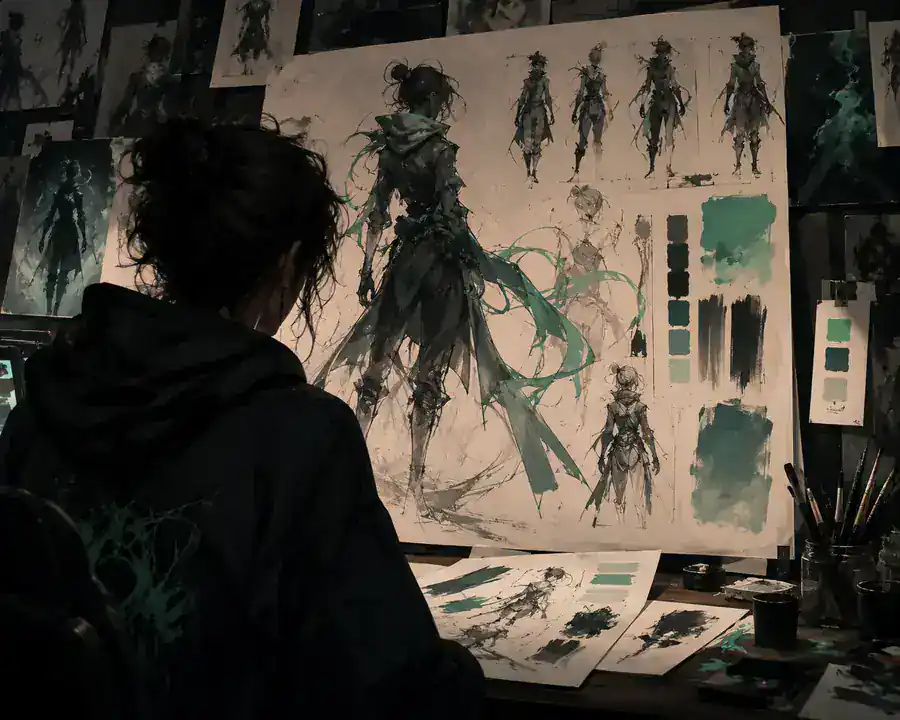
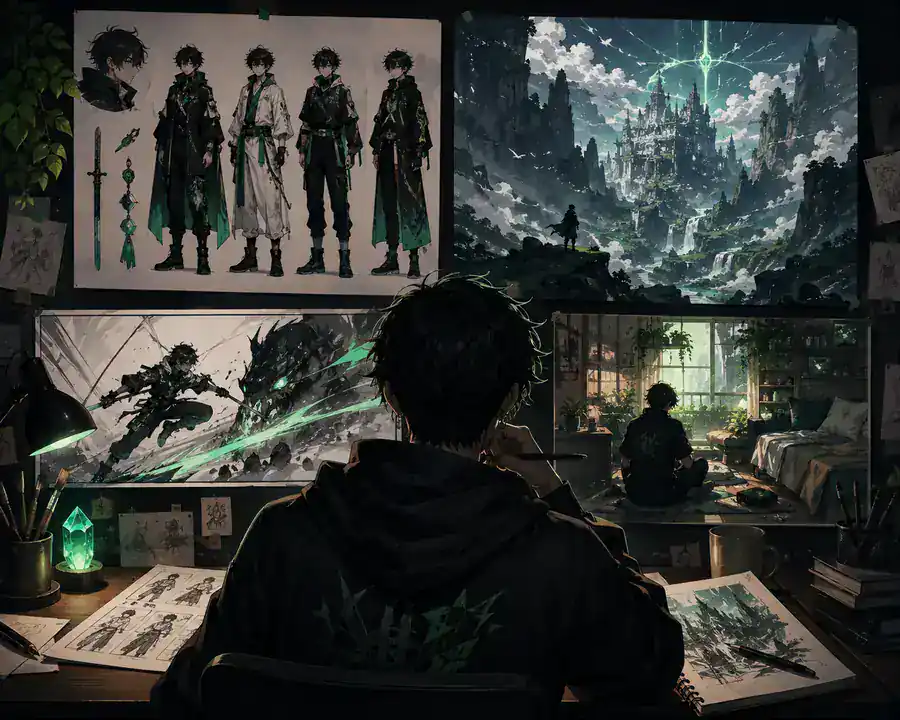
Use the first pass to identify what is missing, then change one variable at a time: pose, camera distance, lighting, or wardrobe. This makes the difference between the two yodayo examples easier to understand and easier to reproduce.
A format that earns attention
A useful yodayo example is not just a pretty image. It is a compact set with a reason to exist: a character introduction, a three-beat anime scene, a mood board for a story, or a visual prompt that another creator can understand. Add a short caption that names the intent, the main subject, and any important limits. That context helps viewers read the work as a process rather than as an unexplained result.
Early anime prompts often focused on one portrait or one striking composition, making speed the main measure of success.
Creators began treating yodayo as a repeatable visual notebook, testing wardrobe, expression, and framing across related studies.
The strongest anime examples now connect images to a story beat, community post, roleplay prompt, or production decision.
A clear brief, visible iteration, and honest labeling will matter as much as the final anime image itself.
Make the experiment measurable
Before publishing a yodayo example, check the source of any reference image, avoid presenting a generated anime character as a real person, and label edits or synthetic elements when the audience could reasonably misunderstand them. Review faces, hands, logos, text, and recognizable living artists’ styles. Keep private references private, and make sure a community post adds context instead of implying official affiliation.
This is a planning estimate, not a platform price. It assumes 18 minutes of manual setup and comparison per variation, plus a notional $3.50 equivalent production effort.
Questions creators ask first
Use these answers as a final check before choosing a workflow for your next anime project.
Good examples include character sheets, location studies, three-frame story beats, event posters, and coordinated community posts. The best choice depends on the decision you need the image to support.
Yes. Use one image to establish a character or setting, then make a small set of variations for mood, action, and camera angle. Keep the story brief consistent between passes.
Three to six images is usually enough to communicate a concept without burying the viewer. A smaller anime set is also easier to compare for continuity and compliance.
Describe the purpose, identify meaningful edits or generated elements, avoid misleading claims, and check the rights attached to any references. Clear captions make creative experiments easier to trust.